
The allure of risk and reward
The thrill of risk and reward is a cornerstone of human psychology that plays a crucial role in casino games. Gamblers are often drawn to the potential for winning significant amounts of money, which can create a heightened sense of excitement and anticipation. This desire for large rewards can easily overshadow the reality of the odds, leading to a phenomenon known as “gamblers’ fallacy,” where players believe they can predict outcomes based on previous results. Many are also enticed by the availability of the best sports betting sites canada , which adds to the excitement and can compel individuals to engage in more risky behavior, thinking that their chances of winning increase with each play.
The excitement generated by the prospect of winning is further intensified by the design of casino games themselves. Elements like bright lights, engaging sounds, and visually stimulating themes create an immersive environment that captivates players. This environment can amplify emotional responses, making the experience more pleasurable and reinforcing the behavior of playing. As players engage with the games, the thrill often outweighs the logical understanding of the risks involved, leading to a cycle of repeated play and emotional investment.
Additionally, the concept of near-misses in casino games has a significant impact on player behavior. When players experience close calls—such as almost hitting a jackpot—they often feel a sense of excitement and encouragement to continue playing. This psychological trickery, where near-misses are interpreted as potential wins, can create a false sense of hope. Players become more inclined to believe that they are on the verge of success, further entrenching them in the gaming experience, despite the real odds of winning being heavily stacked against them.
The influence of social interaction
Social interaction plays a vital role in the casino gaming experience, influencing player behavior in numerous ways. Many players appreciate the communal aspect of gambling, often playing games like poker or blackjack that require interaction and strategic engagement with others. This social component can enhance enjoyment, as individuals share the highs and lows of gameplay together. The connection formed with fellow players can also create a sense of belonging, reinforcing the behavior of returning to the casino.
Furthermore, the presence of other players can directly impact decision-making. People tend to mimic the betting patterns of others, especially if they perceive the group to be winning, which can lead to increased risk-taking. This bandwagon effect can create a vibrant atmosphere within the casino, which is deliberately cultivated by the gaming environment. Casinos often encourage social play through tournaments and group events, further deepening player involvement and engagement with the games.

Additionally, the interaction between players and dealers or staff can have profound psychological effects. Friendly service can lead to enhanced satisfaction and an emotional attachment to the casino. When players feel valued and engaged, they are more likely to return. This relationship builds an emotional bond, creating a sense of loyalty that can keep individuals returning to the casino, often beyond their initial intent. The social aspects combined with the competitive spirit can create an almost addictive atmosphere, making it challenging for players to walk away.
The role of cognitive biases
Cognitive biases are mental shortcuts that can significantly influence gambling behavior in casino settings. One prevalent bias is the “illusion of control,” where players believe they can influence or manipulate the outcomes of games through skill or strategy, despite the inherent randomness of many casino games. For example, in games like roulette or slots, players often engage in rituals or superstitions that they believe will improve their chances of winning, despite the absence of any actual impact.
This illusion can lead to increased playtime and larger bets, as players become convinced that they are capable of changing their fortune. Casinos often exploit this cognitive bias by encouraging player involvement in game mechanics, making it seem as if their choices matter. This can create a sense of agency that fuels further gambling behavior, often resulting in longer sessions than originally intended. Such psychological manipulation can be particularly insidious, as players remain unaware of the underlying randomness governing the games.
Another significant cognitive bias affecting casino players is the “sunk cost fallacy.” This occurs when a player continues to gamble after incurring losses, believing that they must recover their losses by continuing to play. This mindset can lead to unhealthy gambling behavior, as players chase losses rather than recognizing the need to walk away. Casinos design their environments to encourage this mindset, often allowing players to access funds easily or providing complimentary perks that make leaving feel like a loss in itself. This reinforces the cycle of gambling, trapping players in a repetitive pattern of behavior that can be difficult to break.
The impact of environment and game design
The design of the casino environment and its games plays a critical role in shaping player behavior. Features such as ambient lighting, sound effects, and layout are meticulously crafted to create an enticing atmosphere that draws players in. For instance, the use of bright colors and inviting sounds can evoke feelings of excitement and euphoria, creating a psychological urge to play longer. Additionally, the arrangement of machines and tables is designed to maximize interaction and minimize distractions, keeping players focused on the games.
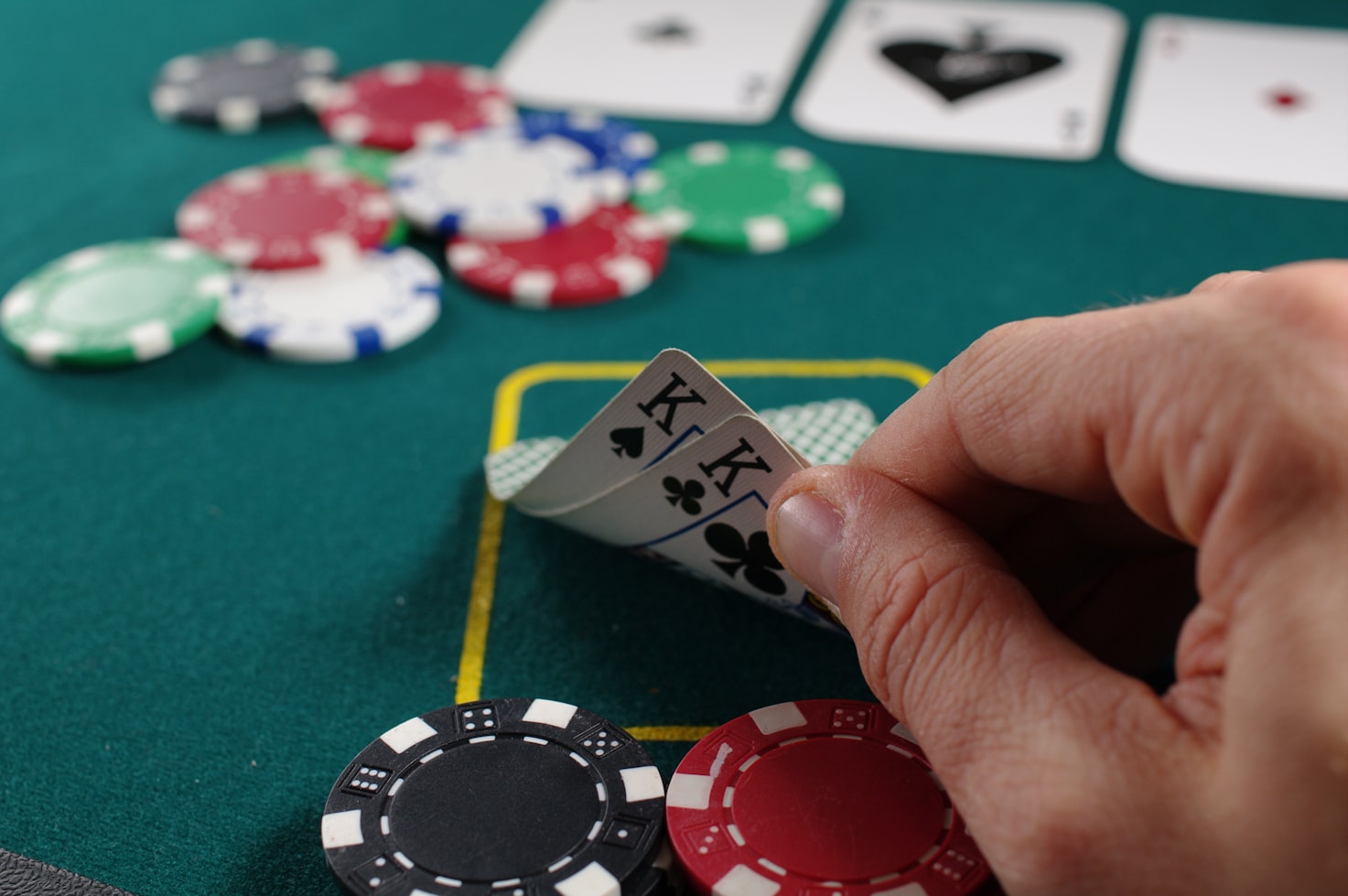
Game design also employs psychological principles to enhance engagement. For example, variable reward schedules—where wins occur at unpredictable intervals—can create a sense of suspense and anticipation. This unpredictability plays into the emotional highs and lows players experience, making each spin or hand feel unique. The more gamified elements, such as bonus rounds and progressive jackpots, are also strategically implemented to boost adrenaline and encourage continued play, thereby heightening the player’s emotional investment. These features are not merely for entertainment; they are scientifically engineered to keep players engaged.
Moreover, the concept of loss aversion is strategically acknowledged in game design. Players tend to feel losses more acutely than they feel gains, leading to the incorporation of small wins amidst the losses to maintain motivation. This means that even when players lose more than they win, the frequent occurrence of small payouts can create a sense of ongoing engagement. By understanding and manipulating these psychological elements, casinos can effectively craft an environment that keeps players coming back, often against their better judgment. This calculated approach to game design raises questions about the ethical implications of such strategies in the gaming industry.
The website and its resources
Exploring the psychology behind casino games and player behavior can be a fascinating journey, and this website serves as an excellent resource for individuals seeking deeper insights. It offers a wealth of information tailored to both casual players and serious gamblers, helping to demystify the motivations and behaviors that drive engagement in casino environments. With detailed articles, expert opinions, and case studies, the website aims to provide a comprehensive understanding of the psychological factors at play. The information presented is not only educational but also encourages responsible gaming practices.
Moreover, this platform encourages responsible gaming by educating players about the potential risks involved. It emphasizes the importance of understanding one’s limits and recognizing when gambling may be negatively impacting one’s life. By fostering informed decision-making, the website seeks to empower players to enjoy gaming as a form of entertainment rather than a source of stress or financial strain. This holistic approach to gambling awareness aims to provide tools for players to engage in a balanced manner.
As the landscape of casinos continues to evolve, the website remains committed to offering up-to-date information and resources. Whether exploring the latest trends in game design or examining psychological research, visitors can find valuable insights that enhance their understanding of the complexities involved in casino gaming. This platform not only provides knowledge but also serves as a community hub for discussions around gambling psychology, ensuring that players are well-informed and equipped to navigate this exciting yet challenging environment responsibly.